


There are executives who manage programming.
There are executives who understand programming.
And then there are people who have spent so much of their lives studying why listeners choose one radio station over another that their fingerprints end up on stations thousands of miles from the office where they happen to sit.
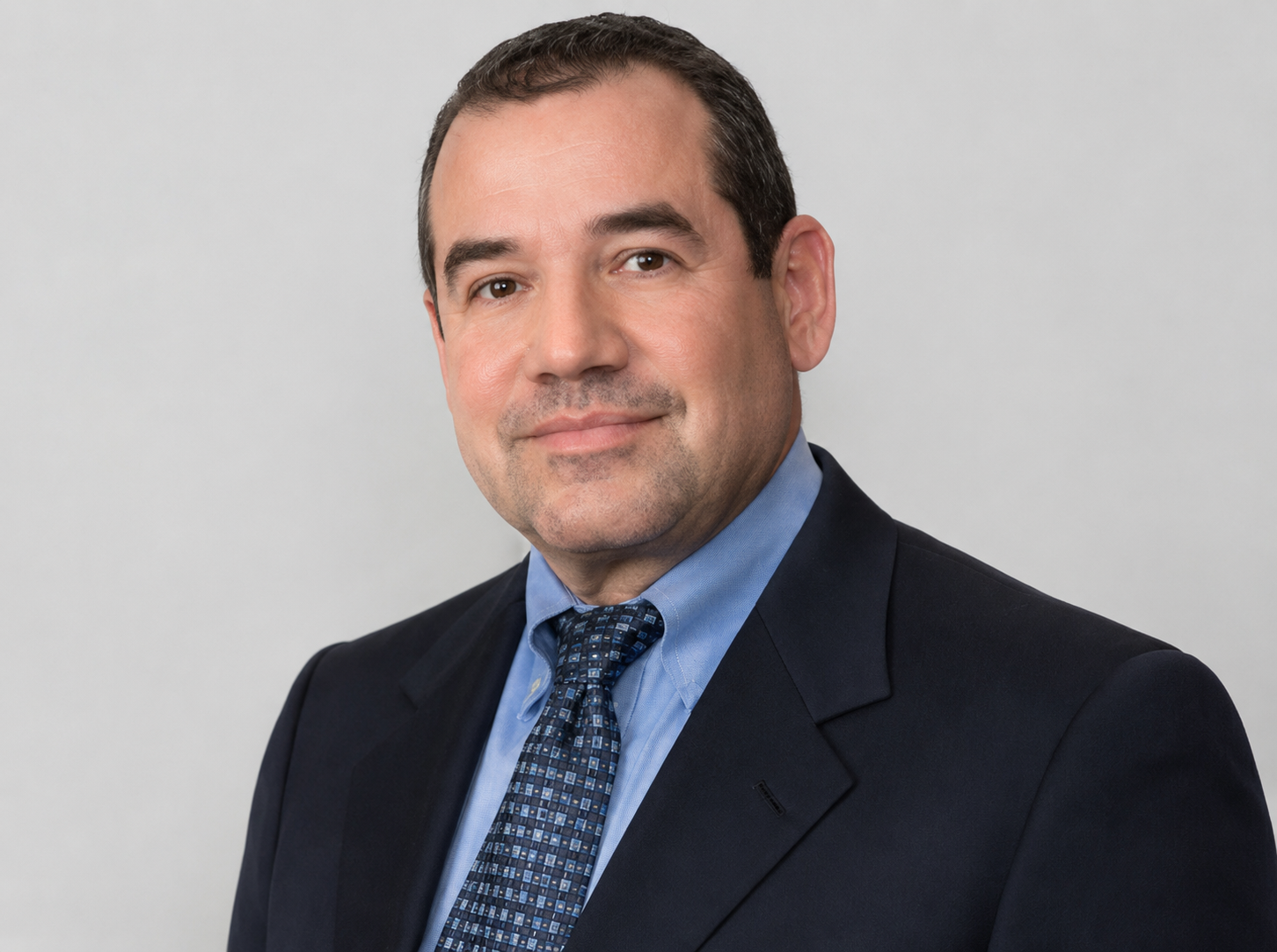
Pat Paxton is one of those people.
Saga Communications is preparing for a significant change at the top of its content operation, as Senior Vice President of Content Pat Paxton will leave the company on Friday, August 28. CEO Chris Forgy informed Saga employees of the change Friday, and Paxton subsequently addressed colleagues as the company begins transitioning his responsibilities.
Paxton has only been with Saga since 2023.
But describing this as the departure of a three-year Saga executive completely misses the story.
This is Pat freaking Paxton.
And if you’ve spent any serious amount of time around radio programming, you understand why that name carries weight.
Before Saga There Were Twenty Two Years of Entercom and Audacy
That’s the chapter that made Paxton one of the industry’s most recognizable programming executives.
He spent more than two decades with the company that evolved from Entercom into Audacy, ultimately reaching the upper levels of its programming organization.
Twenty-two years.
Think about what happened to radio during that period.
Consolidation accelerated.
PPM changed how programmers interpreted listening.
Satellite radio arrived.
The iPod arrived.
Facebook arrived.
YouTube arrived.
The iPhone arrived.
Spotify arrived.
Podcasting exploded.
Smart speakers arrived.
TikTok arrived.
The dashboard changed.
Everything changed.
And Paxton remained in the programming conversation through all of it.
But Pat Paxton Was a Radio Guy Before He Was a Corporate Guy
This is important.
Paxton didn’t begin his career sitting in an executive suite discussing national content strategy.
He came through actual radio stations.
Boston.
Houston.
Orlando.
La Crosse.
Sioux Falls.
Huntington.
Yankton.
Different markets.
Different audiences.
Different competitive environments.
Different versions of radio.
That’s the kind of career path that builds instincts you cannot learn from a PowerPoint presentation.
You learn what happens when the morning show bombs.
You learn what happens when the competitor suddenly changes format.
You learn what happens when research tells you one thing but your gut is screaming something else.
You learn that a radio station can have the correct music, correct clocks and correct positioning…
and still somehow have absolutely no soul.
Programming is part science.
Part art.
Part psychology.
And occasionally part black magic.
Paxton understands all four.
Then Came Saga
After his enormous Entercom/Audacy run ended, Paxton took a relatively brief break before Saga brought him aboard in June 2023.
That appointment made sense.
Saga has always occupied an interesting place in American broadcasting.
It’s a substantial public radio company, but its philosophy has historically leaned heavily toward local market execution rather than attempting to make every station in every city sound like it came out of the same factory.
Put a veteran programmer with major-market and corporate experience into that environment and you’ve got an intriguing combination.
Paxton could think big without forgetting that radio ultimately succeeds one market at a time.
And Now He’s Leaving
Saga employees learned Friday that Paxton will exit his Senior Vice President of Content position.
He isn’t disappearing immediately.
Paxton will remain through Friday, August 28, giving the company time to transition programming leadership and allowing him to help hand off responsibilities.
That’s significant.
There are exits where somebody’s email stops working before they reach the parking lot.
This isn’t being handled that way.
There’s a transition.
There’s continuity.
There’s time to move responsibilities.
That’s how you handle an executive departure when somebody possesses a substantial amount of institutional knowledge.
And Saga Is Doing Something Interesting With the Replacement
This is where the story takes a fascinating turn.
Saga isn’t simply replacing Paxton with another Senior Vice President sitting in a central office.
Instead, Scott Chase and Ryan Ploeckelman will co-chair the programming department as Group Program Directors.
Chase currently leads programming operations in Ocala, Florida, while Ploeckelman holds an operations leadership role in Clarksville, Tennessee.
That structure deserves attention.
Because Saga is essentially putting two people who are actively working inside markets into broader programming leadership.
That’s potentially very smart.
There Is Something To Be Said for Keeping Corporate Programming Close to the Street
Radio companies can develop a dangerous problem as they grow.
The people making programming decisions get farther and farther away from listeners.
Eventually somebody who hasn’t done a live local airshift in fifteen years is telling a programmer 900 miles away exactly how their station should sound at 7:35 tomorrow morning.
Sometimes that works.
Sometimes…
it really doesn’t.
Giving Chase and Ploeckelman broader responsibilities while maintaining their connection to operating markets could help Saga preserve something enormously important:
Perspective.
They know what staffing looks like.
They know what promotions look like.
They know what local competition feels like.
They know what happens when corporate asks for something at 4:47 on Friday afternoon.
They are living the operational reality.
That’s valuable.
But Replacing Pat Paxton With Two People Also Tells You Something
Look at the structure.
One departing Senior Vice President of Content.
Two Group Program Directors assuming leadership.
Maybe that’s simply organizational design.
But it also illustrates the enormous scope of the job Paxton was doing.
Programming leadership across a multi-market radio company isn’t just approving music logs.
It’s talent development.
Brand strategy.
Ratings.
Research.
Coaching.
Recruitment.
Digital content.
Format architecture.
Morning shows.
Competitive strategy.
Promotions.
Imaging.
Revenue collaboration.
And increasingly, figuring out how a terrestrial radio brand lives on phones, smart speakers, video platforms and social feeds.
That’s a lot of plates spinning simultaneously.
Saga is spreading that responsibility across two experienced operators.
Now we get to watch how that model works.
And Radio Should Be Watching
Because centralized programming leadership is changing across the industry.
Companies are asking different questions now.
Do you need one national programming czar?
Do you need format captains?
Regional programmers?
Market-based leaders with corporate responsibilities?
Brand managers?
Shared resources?
How much should be centralized?
How much should remain local?
There isn’t one correct answer.
Saga’s new structure becomes another experiment in solving that puzzle.
And given Saga’s historical commitment to localism, putting market operators into group programming leadership actually feels consistent with the company’s DNA.
But Don’t Underestimate What Walks Out the Door August 28
Experience.
Contacts.
Institutional memory.
Talent relationships.
Format knowledge.
Competitive instincts.
And decades of accumulated moments where Pat Paxton has already seen some version of the problem you’re currently panicking about.
That’s the value of veteran executives.
Somebody walks into the room saying:
“We’ve got a disaster.”
The veteran says:
“No, we’ve got Tuesday.”
Because they’ve seen it before.
That’s difficult to replace.
Paxton Has Also Always Understood That Radio Is Supposed to Be Entertaining
This shouldn’t be revolutionary.
Unfortunately, sometimes it feels revolutionary.
Radio spends enormous energy discussing platforms.
Distribution.
Digital transformation.
Cost structures.
Artificial intelligence.
Data.
Attribution.
Programmatic advertising.
All important.
But somewhere beneath all of that machinery is a remarkably simple question:
Is the station any damn good?
Does somebody want to listen?
Does the morning show make people laugh?
Does the music feel right?
Does the station create emotion?
Does it belong to its city?
Does it surprise you occasionally?
Would somebody notice if it disappeared tomorrow?
Programmers like Paxton built careers answering those questions.
And This Is Another Moment for Radio to Think About Succession
Our industry is experiencing an enormous generational transition.
Veteran executives are retiring.
Others are leaving corporate positions.
Longtime programmers are disappearing during restructurings.
Decades of experience are walking out of buildings.
That isn’t automatically bad.
New people deserve opportunities.
New ideas matter.
Radio cannot spend eternity recreating 1997.
But companies should be absolutely obsessed with making sure knowledge gets transferred before experience walks out the door.
Mentor somebody.
Teach somebody.
Explain why the station works.
Explain why something failed.
Let younger programmers make decisions.
Let them screw something up.
Then teach them how to fix it.
That’s how the next Pat Paxton gets built.
Scott Chase and Ryan Ploeckelman Now Get a Big Opportunity
This isn’t merely additional responsibility.
It’s a chance to influence what Saga programming becomes next.
And we hope they swing.
Protect local personality.
Develop talent.
Take chances.
Let individual markets sound individual.
Fight the temptation to make every station so perfectly researched that nobody could possibly love it.
Find young broadcasters.
Coach morning shows.
Build brands.
And remember that different is still one of radio’s greatest weapons.
Paxton leaves some very large programming shoes behind.
Don’t try to become Pat Paxton.
Take what worked.
Learn from it.
Then build the next thing.
And What About Pat
That’s the question.
Is August 28 simply the end of his Saga chapter?
Is another radio company eventually going to call?
Consulting?
Advisory work?
Talent coaching?
Something outside traditional broadcasting?
A hammock and a drink with a tiny umbrella in it?
After this career, we’d approve of that too.
But unless Paxton tells us otherwise, we’re not writing the retirement story.
Radio has a funny way of pulling people back.
Especially people who understand it.
An On The Dial Perspective
Pat Paxton’s departure matters because Saga isn’t merely changing executives. It’s transitioning away from a programming leader whose experience stretches across formats, markets and several generations of broadcasting. The decision to place Scott Chase and Ryan Ploeckelman into co-leadership roles as Group Program Directors is equally interesting because it keeps broader programming oversight connected to people actively operating stations in local markets. That could prove to be a strength. Radio needs corporate strategy, but it also desperately needs executives who remember what the business looks like from inside an actual radio station. The challenge now is preserving the knowledge Paxton brought while giving the next generation room to create something of its own.
Pat Paxton has programmed radio through cassette tapes, CDs, iPods, smartphones and Spotify.
He’s watched the industry consolidate.
Digitize.
Stream.
Podcast.
Automate.
Reorganize.
Reinvent.
And somehow, through all of it, the fundamental assignment never really changed:
Make people want to listen.
That’s the job.
Always has been.
Probably always will be.
Congratulations on an extraordinary chapter at Saga, Pat.
Good luck to Scott Chase and Ryan Ploeckelman as they take the programming reins.
And wherever Pat Paxton’s radio adventure goes next…
we have a feeling somebody in this business still has his number.
#OnTheDial #PatPaxton #SagaCommunications #ScottChase #RyanPloeckelman #RadioProgramming #ProgramDirector #RadioLeadership #RadioExecutive #RadioManagement #RadioVeteran #LocalRadio #PersonalityRadio #RadioTalent #RadioPeople #RadioCareers #RadioBrands #ContentStrategy #Broadcasting #BroadcastRadio #TerrestrialRadio #RadioIndustry #FutureOfRadio #RadioStillMatters