


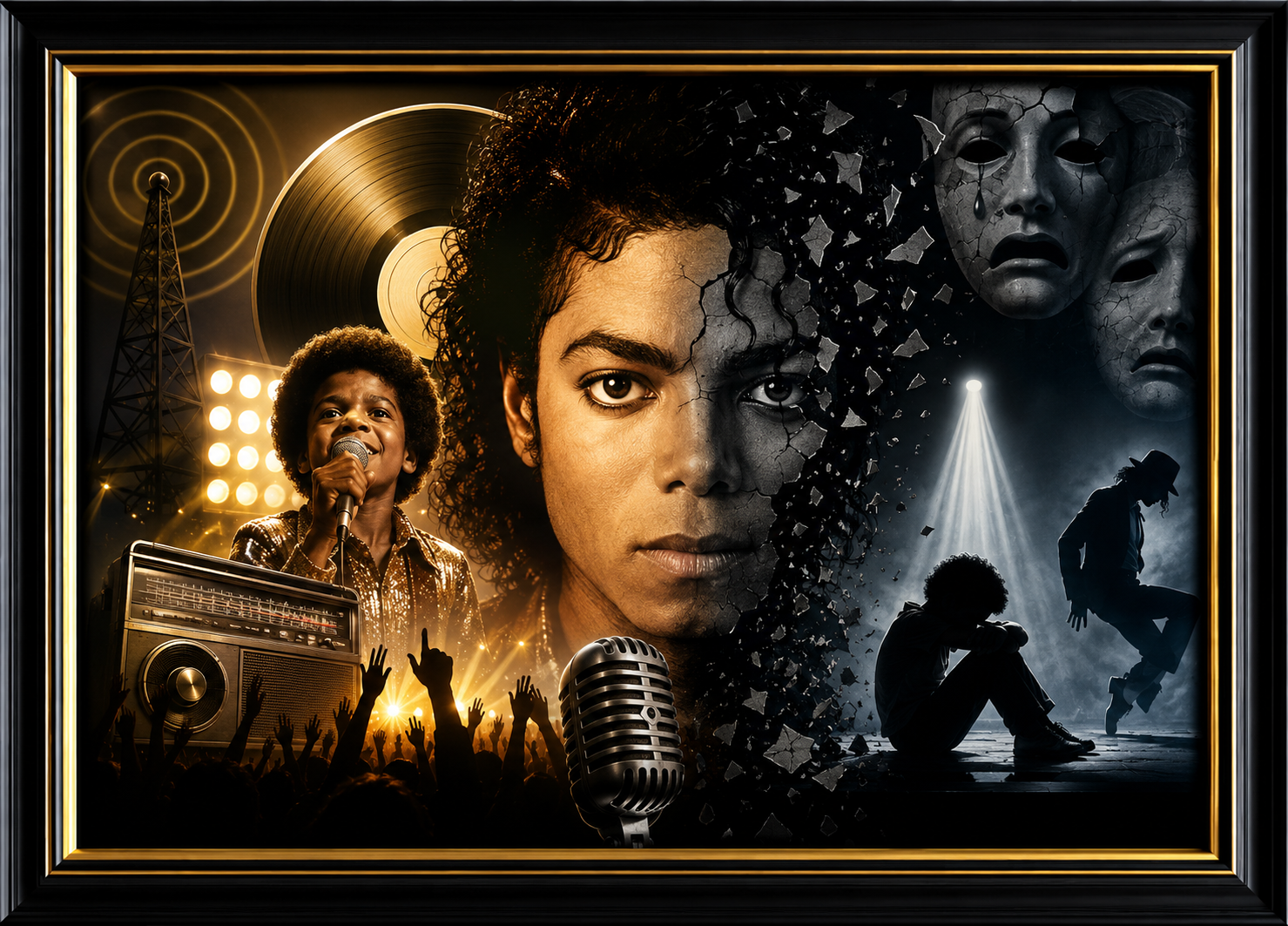
For decades, broadcast radio helped create some of the biggest moments in American pop culture history. Before streaming services, social media influencers, and digital algorithms decided what people listened to, radio personalities, music directors, and programmers were the gatekeepers of the soundtrack of America.
And when it came to Michael Jackson, radio didn’t just play the music.
Radio helped create the phenomenon.
From the early days of the Jackson 5 to the explosive success of Off the Wall, Thriller, Bad, and Dangerous, Michael Jackson records dominated the airwaves unlike almost anything the industry had ever seen. Stations built entire weekends around his music. DJs screamed over intros while listeners sat beside radios waiting to record songs onto cassette tapes. Request lines lit up instantly whenever a new single dropped. Concert giveaways became major station events. Michael Jackson wasn’t just an artist being played on the radio.
He was radio.
That is part of why newly resurfaced claims involving Jackson’s childhood are creating renewed discussion throughout the entertainment world and inside broadcasting circles alike.
According to reports connected to author and broadcaster Geoffrey Mark, Jackson allegedly confided years ago that he experienced inappropriate behavior from an adult while performing as a child entertainer. The claims remain unverified beyond Mark’s reported account and should absolutely be approached carefully and responsibly.
Still, the conversation surrounding the story reaches beyond headlines and celebrity gossip.
It shines another light on the emotional reality behind childhood fame and the pressure placed on young performers during an era when the entertainment industry often focused more on ratings, records, ticket sales, and publicity than emotional wellness or trauma.
And broadcast radio was deeply connected to that machine.
Back then, the mission was simple. Find the next superstar first. Break the record before the competition. Own the ratings. Move audiences emotionally. Build larger-than-life personalities and moments that kept listeners glued to the station.
Radio did that exceptionally well.
But in those same years, there were far fewer conversations about mental health, emotional exhaustion, exploitation, or what it actually meant for children to grow up under nonstop public pressure. Young artists were expected to perform, smile, travel, promote, and carry enormous expectations while much of the world only saw the fame attached to it all.
The music was loud.
The pain was quiet.
That is what makes stories like this continue resonating decades later.
Because millions of people remember where they were when they first heard Billie Jean, Beat It, or Man in the Mirror blasting through car speakers or portable radios. Entire generations grew up with Michael Jackson songs attached to memories of school dances, road trips, family cookouts, late-night dedications, and countdown shows.
Radio became part of those memories.
But years later, the entertainment industry continues learning that behind some of the biggest stars in history were human beings carrying burdens the public often never saw.
To be clear, radio did not create personal trauma or the actions of individuals surrounding celebrities. But radio undeniably helped amplify the fame, pressure, and nonstop visibility that came with becoming one of the most recognized entertainers on the planet.
Today, broadcasting approaches these conversations differently than it once did. There is greater awareness surrounding trauma, addiction, mental health, exploitation, and the emotional toll of fame. Sensitive stories are handled with more caution. Young entertainers are viewed through a more human lens than they often were during previous generations of entertainment.
And maybe that evolution matters.
Because radio has always been at its best when it remembers there are real people behind the songs.
Michael Jackson gave the world unforgettable music.
But stories continuing to emerge years later remind the entertainment industry that sometimes the brightest spotlight can also cast the darkest shadows.
On The Dial covers breaking radio industry news, including layoffs, programming changes, talent moves, and broadcast trends across the United States.