

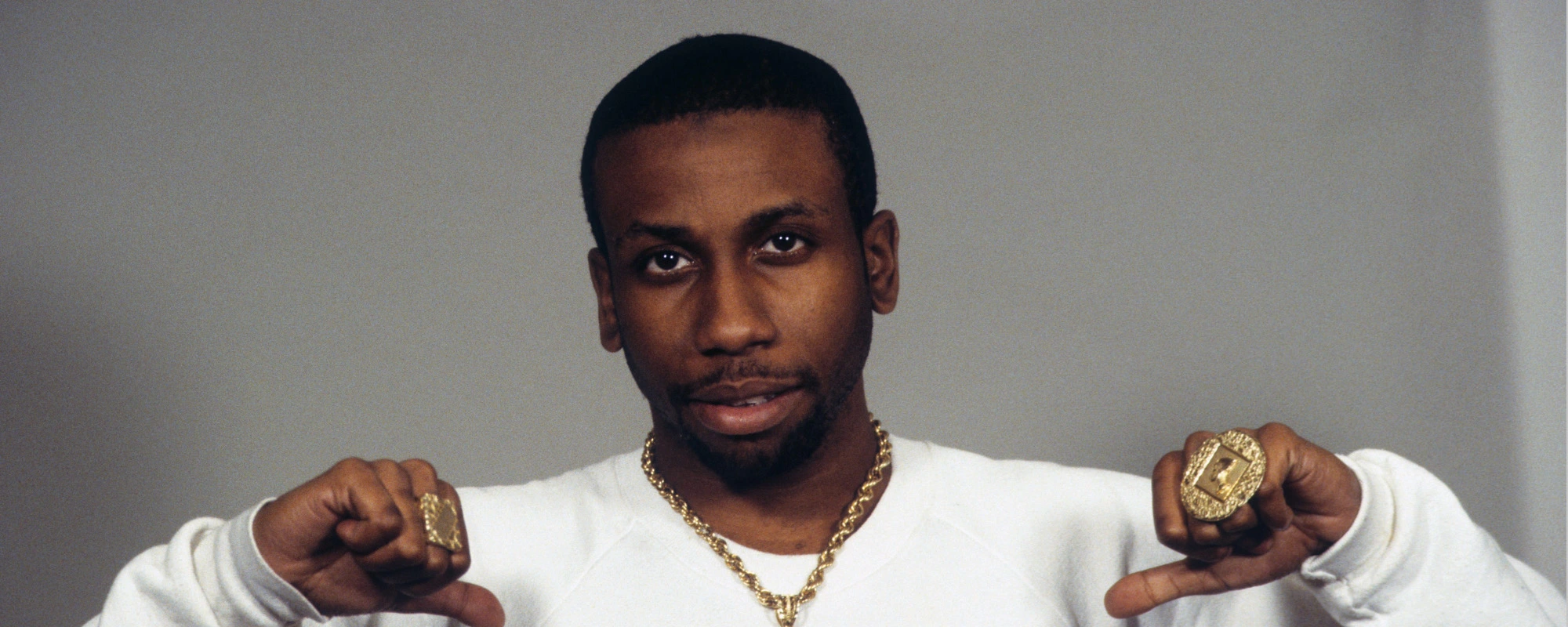
The thing about truly legendary radio records is they stop belonging to the artist after a while.
They become property of the people.
Property of the clubs.
Property of the cookouts.
Property of wedding DJs.
Property of Friday night mixers.
Property of roller rinks, block parties, sporting events, and radio stations trying desperately to wake up listeners during a dead shift at 11:17 on a Tuesday night.
That was Rob Base.
And tonight, radio is mourning one of the most explosive energy-makers the format world has ever seen following reports of his death at the age of 59 after a battle with cancer.
Now let me say this right away because I spent part of my afternoon digging through old radio archives, hip-hop history pages, interviews, and enough scattered internet rabbit holes to make my browser fear for its life: there are online claims tying Rob Base to a show or involvement with legendary New York station WRKS 98.7 Kiss FM, but I could not independently verify that he officially held a regular on-air shift.
What I could verify is honestly just as cool.
Long before social media, podcasts, livestreams, and TikTok creators existed, Rob Base and DJ E-Z Rock were already becoming part of hip-hop radio culture itself. Archived records show the duo appearing on a 1986 broadcast with legendary New York personality Chuck Chillout on WRKS during the early rise of their career.
And honestly?
That feels important.
Because WRKS wasn’t just another station.
Kiss FM was the pulse of hip-hop radio in New York during one of the most important cultural shifts in broadcasting history. Stations like WRKS helped move hip-hop from neighborhood culture into mainstream radio consciousness. They gave records life. They created stars. They shaped sound. And Rob Base fit that moment perfectly.
Not because he was trying to sound cool.
Because he sounded FUN.
There’s a difference.
Some artists make records people admire.
Rob Base made records people MOVED to.
The second “It Takes Two” hit the speakers, it was over. Didn’t matter where you were. Didn’t matter your age. Didn’t matter your background. That beat exploded out of radios like pure adrenaline and suddenly entire rooms transformed into accidental dance floors.
You didn’t casually listen to “It Takes Two.”
You survived it.
That song attacked speakers.
And radio programmers knew it instantly.
Every jock who has ever worked a live shift understands exactly what kind of record that was. It was emergency energy. The kind of song you reached for when the phones were dead, traffic was miserable, listeners sounded exhausted, or the station needed life injected directly into its bloodstream.
And every single time it worked.
Still does.
What made Rob Base special was that he never sounded manufactured. There was joy in those records. Celebration. Excitement. Personality. Even the delivery felt like somebody smiling while grabbing the microphone.
Radio responds to records like that because listeners respond to records like that.
And make no mistake — Rob Base helped radio stations understand the commercial power of hip-hop in a massive way. At a time when some programmers were still nervous about rap records, “It Takes Two” crashed through format walls like it didn’t care about industry politics. CHR stations played it. Rhythmic stations built around it. Urban stations owned it. DJs extended it. Clubs depended on it.
The record became unavoidable.
And decades later?
Still unavoidable.
Honestly, one of the wildest things about Rob Base’s legacy is how his music never aged out. Entire generations know those records without even realizing where they first heard them. Movies. Commercials. Sports arenas. TikTok clips. Throwback mixes. Wedding receptions. School dances. Radio stations. Everywhere.
That’s not nostalgia anymore.
That’s permanence.
And tonight somewhere across America, there are absolutely radio personalities slowing down before hitting that play button. Somewhere an overnight jock is talking emotionally over the intro. Somewhere a mixer is stretching the beat just a little longer because deep down they know this isn’t just another artist obituary.
This is radio history.
Because whether Rob Base ever officially held down a permanent radio shift or not, the truth is much bigger:
The man became part of radio itself.
His records lived in control rooms.
In request lines.
In mix shows.
In Friday night party broadcasts.
In station vans.
In DJ crates.
In summer countdowns.
In memories.
And honestly?
That’s a legacy most artists never come close to touching.
On The Dial covers breaking radio industry news, including layoffs, programming changes, talent moves, and broadcast trends across the United States.