


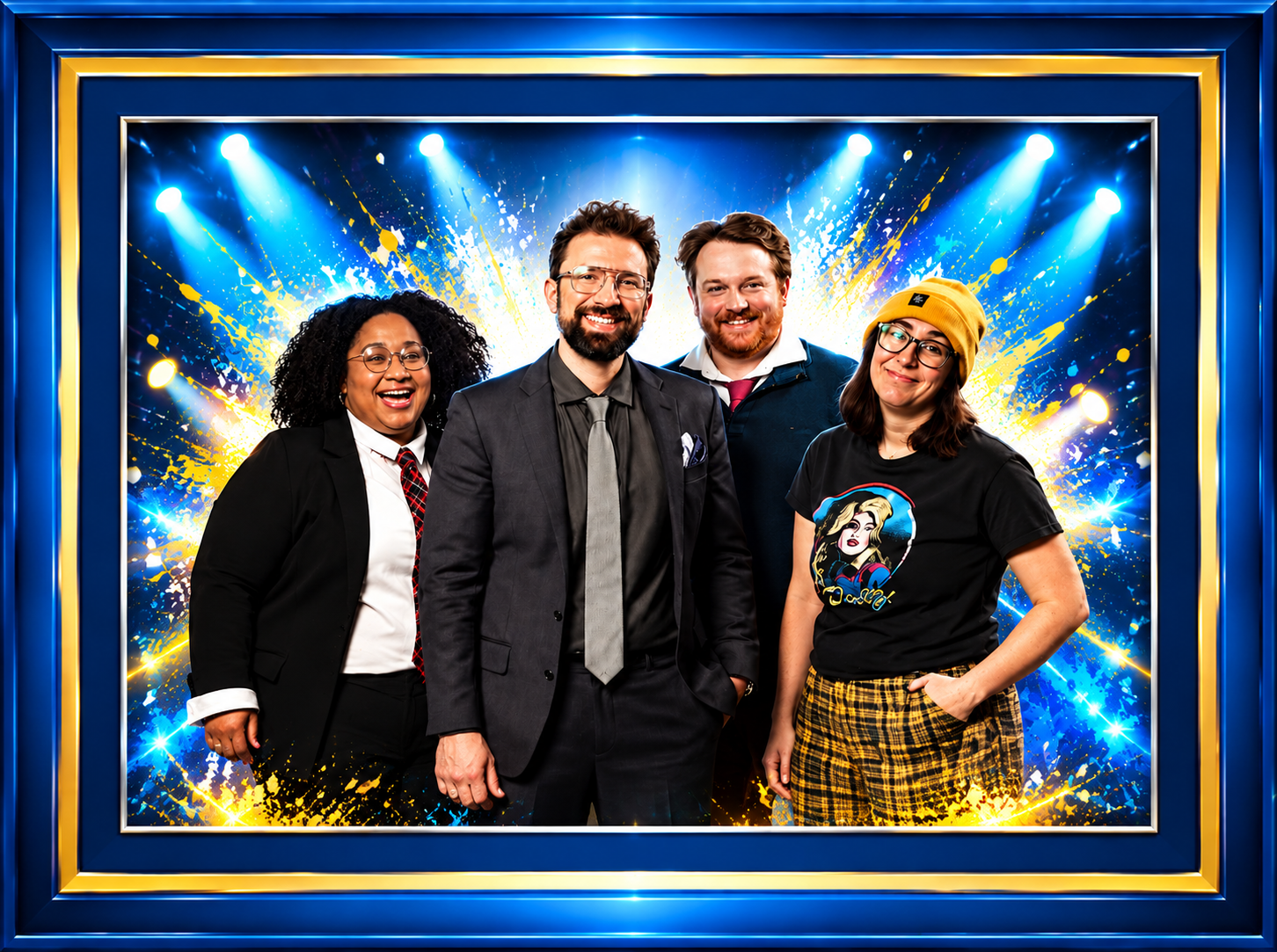
I have been on both sides of a radio interview more times than I could ever count. I have been the programmer trying to make sure the segment lands on time, the personality asking the questions, the guest waiting for the microphone to open and, over the last several months, the person trying to explain something incredibly personal without reducing my life to a medical chart. This morning, October 2, I spent time with TJ Taormina and the team from The TJ Show, and for a little while I stopped thinking about affiliates, clocks, quarter-hours and all the other things radio people are trained to think about. I was simply a guy talking about why I am trying so hard to stay alive.
That is what good radio can still do.
The TJ Show is now heard daily on more than 125 radio stations, according to the show’s own current information. That number is impressive, particularly for a program that has grown this quickly, but I have said before that affiliate counts alone do not explain why a syndicated show works. TJ’s program works because underneath all the distribution, technology and business structure is something remarkably simple: they are genuinely interested in people.
That became very real for me today.
We talked about how I got here. We talked about two battles with cancer and the treatment that saved my life but ultimately left me with kidney failure. We talked about dialysis and what life looks like when a machine becomes part of your daily routine. We talked about the transplant process and why my particular search has become so difficult.
Then we got into something most people outside the transplant world have probably never heard discussed on a morning radio show.
HLA sensitization.
My immune system is highly sensitized, which means I have antibodies that can react against tissue from an enormous percentage of potential donors. In my case, my calculated panel reactive antibody level has been measured at 99.9999 percent. That number is almost difficult to comprehend until somebody explains what it means in practical terms.
The federal transplant system says candidates with exceptionally high antibody levels can wait five years or longer just to receive one kidney offer. Candidates at 98 percent sensitization or above receive additional priority because finding compatible tissue becomes so difficult.
That was part of what I wanted listeners to understand today.
This is not simply a story about somebody waiting his turn.
It is a search.
And that distinction matters.
The transplant system can do extraordinary things, and the science behind matching organs is remarkable. But the more sensitized somebody becomes, the smaller the compatible pool can become. That is why reaching people matters so much in my situation. The answer may not be sitting in the same town, the same state or anywhere near the people who already know my story.
That is also why being invited onto a program heard on more than 125 stations meant so much to me.
Radio expands the room.
Suddenly the conversation is not happening in Garden City, Kansas. It is happening in communities all over the country. A listener heading to work in one city hears the same conversation as somebody drinking coffee hundreds of miles away. People who have never heard my name before now know why HLA sensitization matters and why some transplant patients face an extraordinarily complicated road.
That is the power broadcasters sometimes forget we still have.
TJ has understood that power for most of his life. He started as the kid walking to school listening to morning radio through headphones, found his way into WFDU while he was still in high school and eventually spent more than a decade learning inside the Elvis Duran operation at Z100 before getting his own morning show in Boston in 2013. Today, he is doing something arguably more difficult: taking one show and making it feel human in more than 125 different places.
And he is not doing it alone.
JBo, Kenny and Heather are part of a team that understands the difference between filling four hours and creating four hours worth listening to. The show’s own description calls it a daily program that still sees hope in humanity, and after spending time with them today, I understand exactly what that sentence means.
There was no attempt to turn my situation into some grotesque radio stunt. Nobody treated the difficult parts casually. Nobody made me feel like we were racing toward the next benchmark because the clock was getting uncomfortable.
They listened.
That sounds like such a small thing.
In radio, it is enormous.
We talk endlessly about authenticity in this business. Every format meeting eventually includes somebody saying the talent needs to be authentic, relatable or vulnerable. Those words have become so overused that sometimes I am not sure we remember what they actually mean.
Authenticity is not telling the audience everything about yourself.
It is caring about what somebody else tells you.
TJ and his team know how to do that.
They asked about the cause of my kidney failure. They let me explain what it means to be highly sensitized. We talked about the amount of time somebody in my position can face waiting for a transplant. We talked about the reality behind the numbers and what people can do when they hear a story like mine.
Most importantly, they allowed the conversation to breathe.
For somebody who has spent his entire adult life working around broadcasting, that made the experience even more meaningful.
I know how this works.
I know there is another break coming.
I know there are commercials.
I know somebody is watching the clock.
I know there is another story sitting in a rundown somewhere.
When a show makes you forget all of that, the people behind the microphones are doing something right.
This is also why I keep defending personality radio.
A playlist cannot have that conversation.
An algorithm cannot recognize the moment somebody’s voice changes when they begin talking about their family. A streaming service cannot decide that maybe the next planned element should wait thirty seconds because the guest just said something that matters.
People can.
Radio can.
That is the damn difference.
There is another part of this that I want broadcasters to understand.
When you put somebody’s story on the radio, you have no idea where it will travel.
The TJ Show describes itself as an omnichannel program now, living not only on traditional radio but through podcasts, YouTube and social platforms. That means today’s conversation does not disappear simply because the live broadcast ended. It can continue moving from person to person and platform to platform long after somebody turned off the car.
For my situation, that matters tremendously.
I have spent months trying to explain that we do not know where the person who can ultimately change the course of this story might be. Every television interview, newspaper story, radio appearance, Facebook share and conversation expands the search a little farther.
Today, TJ expanded it again.
That is a gift.
I also walked away from this morning thinking about why The TJ Show just works.
It is not because everybody agrees every minute.
It is not because every segment is some enormous production.
It is certainly not because somebody discovered a magic syndication formula and wrote it down in a consultant’s notebook.
It works because the show still sounds curious.
There is laughter, conversation, news, ridiculousness and whatever else happens on a given morning, but underneath all of it there seems to be a genuine belief that ordinary people are interesting.
That is the foundation of great morning radio.
The audience isn’t over there.
The audience is part of the room.
TJ learned that lesson through years around some extraordinarily successful radio people, and now his own show has developed an identity that feels different from the increasingly manufactured sound of much national programming.
It has warmth.
That word matters today.
My life has become filled with numbers lately.
Kidney function.
Dialysis.
Lab values.
Antibodies.
Percentages.
Appointments.
Years of waiting.
There are mornings when it feels like the medical system has reduced me to data.
Today, four radio people reminded me that behind every number is a human being.
I needed that.
There will be people reading this who want to know more about my situation and how they can help. I deliberately do not want to turn this article into a list of instructions, medical information and links. We built one place specifically for that.
FindMyOne.org
Everything is there.
What I really want to do here is say thank you.
Thank you to TJ.
Thank you to JBo.
Thank you to Kenny.
Thank you to Heather.
Thank you to everybody behind the scenes who helped make room for this conversation.
And thank you to every station carrying The TJ Show that allowed my voice to travel through its transmitter today.
You may never know where one of those signals reaches.
Neither will I.
Maybe someone heard the conversation and learned something about kidney disease.
Maybe somebody finally understood what highly sensitized means.
Maybe somebody heard my voice and thought about somebody they know.
Maybe nothing happens today at all, but one listener tells another person tomorrow.
That is how radio has always worked.
One microphone.
One listener.
One conversation.
Then another.
I have spent nearly my entire professional life believing in this medium. On days when the business gets frustrating, when another talented person gets laid off, when another station loses its local personality or another spreadsheet seems to matter more than the audience, it is easy to wonder whether some of what made us fall in love with radio has disappeared.
Today reminded me that it hasn’t.
It is still there whenever somebody opens a microphone and genuinely gives a damn about the person on the other side of it.
The TJ Show did that for me today.
And considering everything happening in my life right now, I cannot tell you how much that meant.
Thank you, guys.
Keep doing exactly what you are doing.
Because this show does not work because it is on more than 125 stations.
It is on more than 125 stations because the show works.
And this morning, I got to experience exactly why.
#OnTheDial #TheTJShow #TJTaormina #JBo #Kenny #Heather #FindMyOne #StevenMills #RadioFamily #MorningRadio #SyndicatedRadio #PersonalityRadio #LocalRadio #RadioIndustry #Broadcasting #KidneyTransplant #KidneyDisease #Dialysis #HLA #Hope #DoYouSeeMe