


April 16, 2026
Another familiar voice is gone, and this time it’s one that had been part of Connecticut radio for more than a generation.
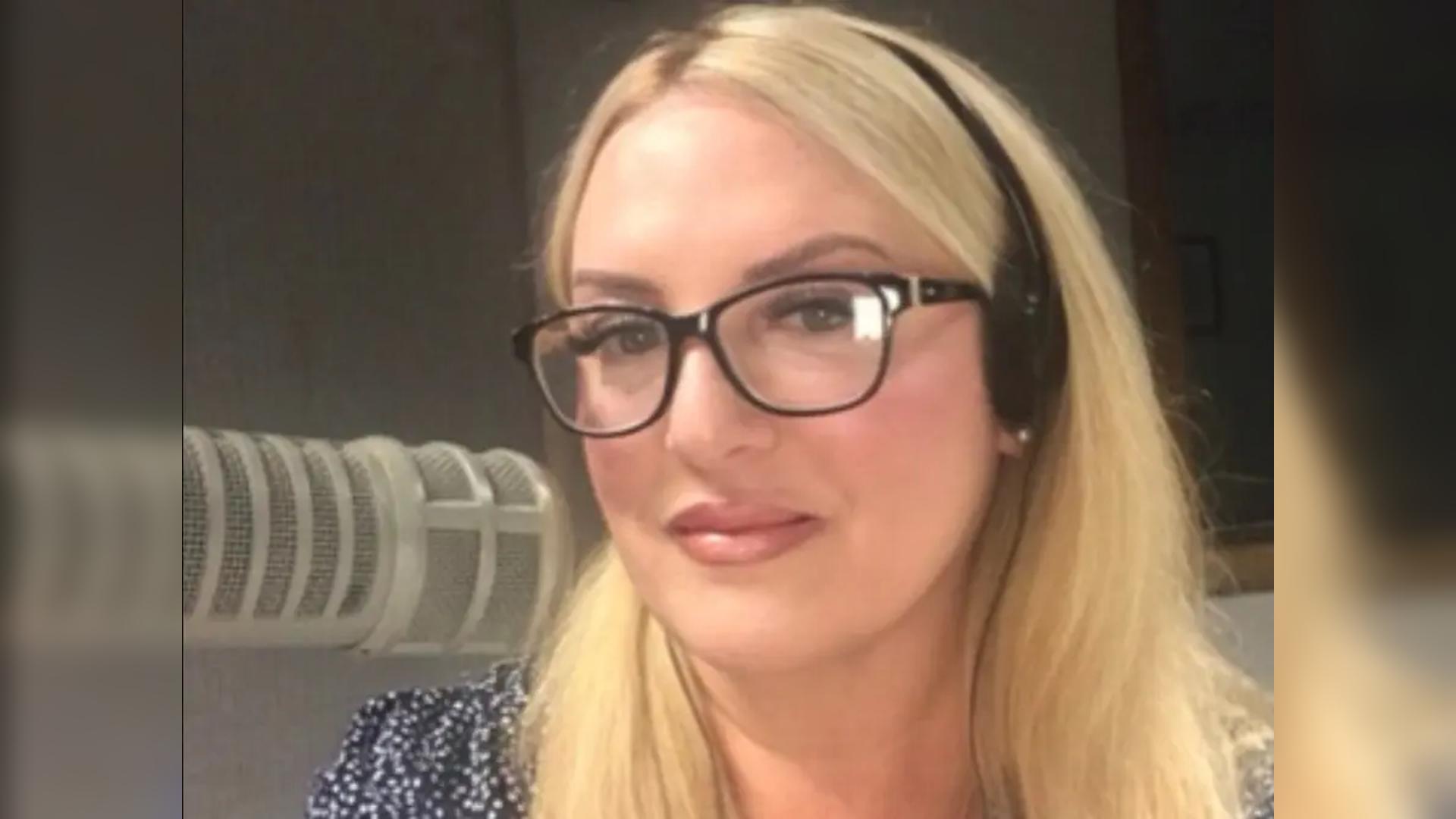
Allison Demers is no longer on the air at WHCN, known as The River 105.9 in Hartford, after her position was eliminated as part of ongoing cost reductions at iHeartMedia. The move ends a run that spanned more than three decades in the market, cutting short a connection that had long been part of the station’s daily rhythm.
Demers had been a steady presence in the midday slot, a space in radio that has traditionally served as the workday companion for listeners. It’s not the loudest shift, but it’s often one of the most consistent — the voice people come back to day after day without thinking about it.
That kind of familiarity is hard to replace.
Her exit was not tied to a format change or a programming overhaul. Instead, it reflects a broader shift in how stations are being structured. Positions are being reduced, responsibilities are being consolidated, and in many cases, roles are being removed entirely rather than refilled.
That distinction is becoming more common across the industry.
Midday shifts, once a staple of local programming, are increasingly being handled through voice tracking or shared content across multiple markets. It’s a model that allows companies to maintain output while reducing costs, but it also changes the feel of a station in ways that aren’t always obvious at first listen.
The music continues. The imaging remains. The station sounds intact.
But something underneath it shifts.
For Hartford listeners, Demers’ departure represents more than just a lineup change. It’s the removal of a voice that had been part of the local landscape for years, someone who had navigated the industry through multiple eras while maintaining a consistent presence on the air.
That kind of tenure used to offer a level of stability in radio.
It meant that if you built a connection with your audience and stayed relevant, there would be a place for you. Increasingly, that equation is being replaced by a different reality — one where decisions are driven more by structure than by longevity.
And in that environment, experience doesn’t always provide protection.
Across the country, companies are continuing to adjust their operations, trimming layers and rethinking how content is delivered. The changes don’t always arrive in large waves. More often, they show up one position at a time, in one market at a time, until the cumulative impact becomes clear.
Hartford is now part of that pattern.
For those inside the business, moves like this are becoming familiar. For listeners, they can feel abrupt. The absence shows up the moment the dial lands on a different voice, or in some cases, a voice that isn’t physically there at all.
That’s the part that’s harder to quantify.
Radio has always been built on connection — not just between songs, but between people. Even as technology continues to evolve and stations find new ways to operate efficiently, that core element hasn’t changed.
What has changed is how it’s being delivered.
Demers’ departure is another example of that shift. A long-tenured, well-known voice, removed not because the connection disappeared, but because the structure around it did.
For those still on the air, it’s another reminder of how quickly things can change. For those who have spent years building a presence in their markets, it underscores the reality that the path forward in radio is no longer as predictable as it once was.
And for listeners in Hartford, it leaves a gap that doesn’t show up on a playlist or a log, but is felt all the same.
Another voice, gone.
Another reminder of where the business is right now.
-JC