


Somewhere between the boarding groups and the baggage fees, there’s a bigger story taking shape—one that has very little to do with airplanes and everything to do with how people decide what’s worth it. The lines at the gate, the debates over what’s included and what’s extra, the very public love-hate relationship playing out across social media—it all points to a shift in how value is defined. And if you’re in radio, this isn’t just interesting…it’s instructive.
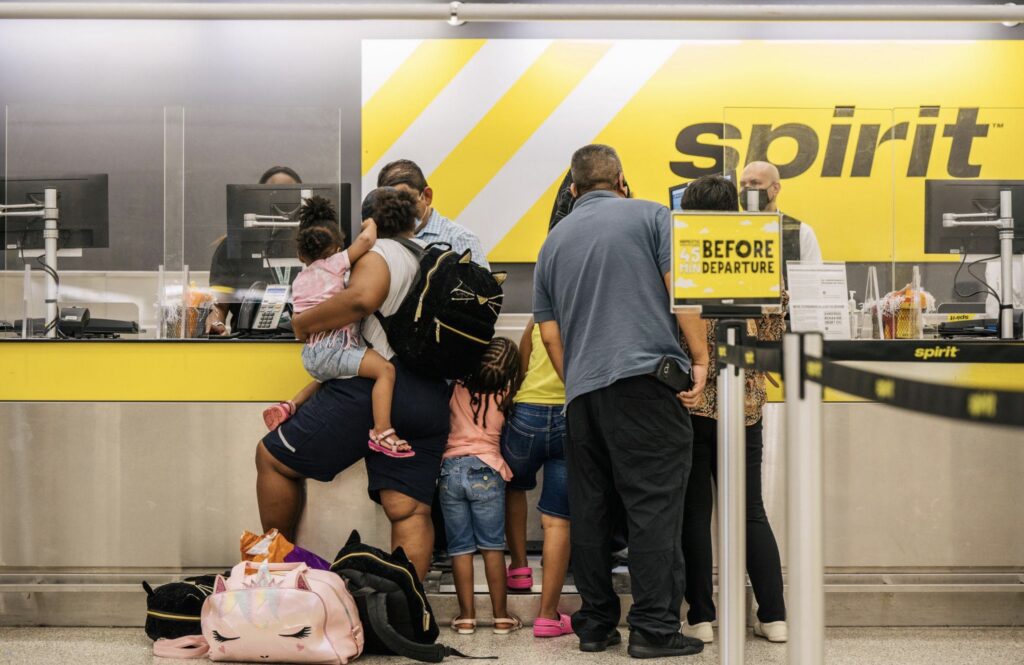
Spirit Airlines didn’t disrupt air travel by trying to be better—it disrupted it by being clearer. It stripped the experience down to its core and forced customers to confront a simple equation: you’re paying for the seat, and everything else is optional. No illusions. No bundling. No guesswork.
That level of clarity didn’t always win applause—but it did win attention. And more importantly, it reshaped expectations.
Now bring that same perspective over to broadcast radio.
For decades, radio has built its identity on accessibility. Turn it on and it’s there. No subscription. No barrier. Just content flowing freely through the speakers. But in today’s landscape, that word—“free”—doesn’t carry the same weight it once did. Because audiences have been reconditioned by platforms like Spotify and Apple Music to think differently about the exchange.
Those platforms didn’t just introduce subscriptions—they introduced control. Control over what you hear, when you hear it, and how often it shows up. They turned listening into a personalized experience, and in doing so, they changed the benchmark.
That’s where the pressure point sits for radio.
If radio is “free,” then the audience naturally starts to calculate the trade. Commercial load. Limited control. A shared playlist that doesn’t always match personal taste. And suddenly, the question isn’t “Is radio available?” It’s “Is radio worth my time?”
That’s not a knock—it’s a reality check.
Because just like the airline industry, radio is navigating a moment where the consumer is more informed, more selective, and far less patient with anything that feels unclear or inconsistent.
Spirit Airlines leaned into its identity without hesitation. It didn’t try to soften the edges—it defined them. Loud branding. Direct messaging. A model that said, “This is who we are. Take it or leave it.” And in a crowded marketplace, that kind of clarity cuts through.
Radio has the same opportunity right now.
The stations that are winning aren’t trying to be everything to everyone. They’re choosing lanes. They’re building personalities that feel real. They’re creating moments that don’t just fill time—they make an impression. Because when everything else becomes automated and predictable, authenticity becomes the differentiator.
There’s also a deeper layer that mirrors almost perfectly: monetization.
Spirit doesn’t rely solely on the ticket. It builds revenue around the entire experience—every touchpoint, every choice, every upgrade. The flight is just the entry point.
Radio has that same blueprint sitting right in front of it.
The signal may be free, but the experience around it is full of opportunity. Live events. Digital extensions. Podcasting. Talent-driven brands. Local partnerships that go beyond thirty-second spots. That’s where growth lives now—not just in what goes over the air, but in everything that surrounds it.
Because here’s the truth that ties all of this together.
This isn’t about airlines versus radio. It’s about what happens when an audience starts demanding clarity—and when industries are forced to respond.
Some will adjust. Some will resist. And some will wait too long.
But the ones that break through? They’ll be the ones that define their value before someone else does it for them.
And in a world where attention is the most valuable currency we have, being “free” isn’t enough anymore.
Being worth it is everything.
Because at the end of the day, whether it’s 30,000 feet in the air or riding the dial across America, the question is the same: Why should I choose you?
Answer it with conviction. Deliver it with consistency. Own it without apology.
Because if you don’t…someone else will.
And they won’t ask for permission.
On The Dial covers breaking radio industry news, including layoffs, programming changes, talent moves, and broadcast trends across the United States.