


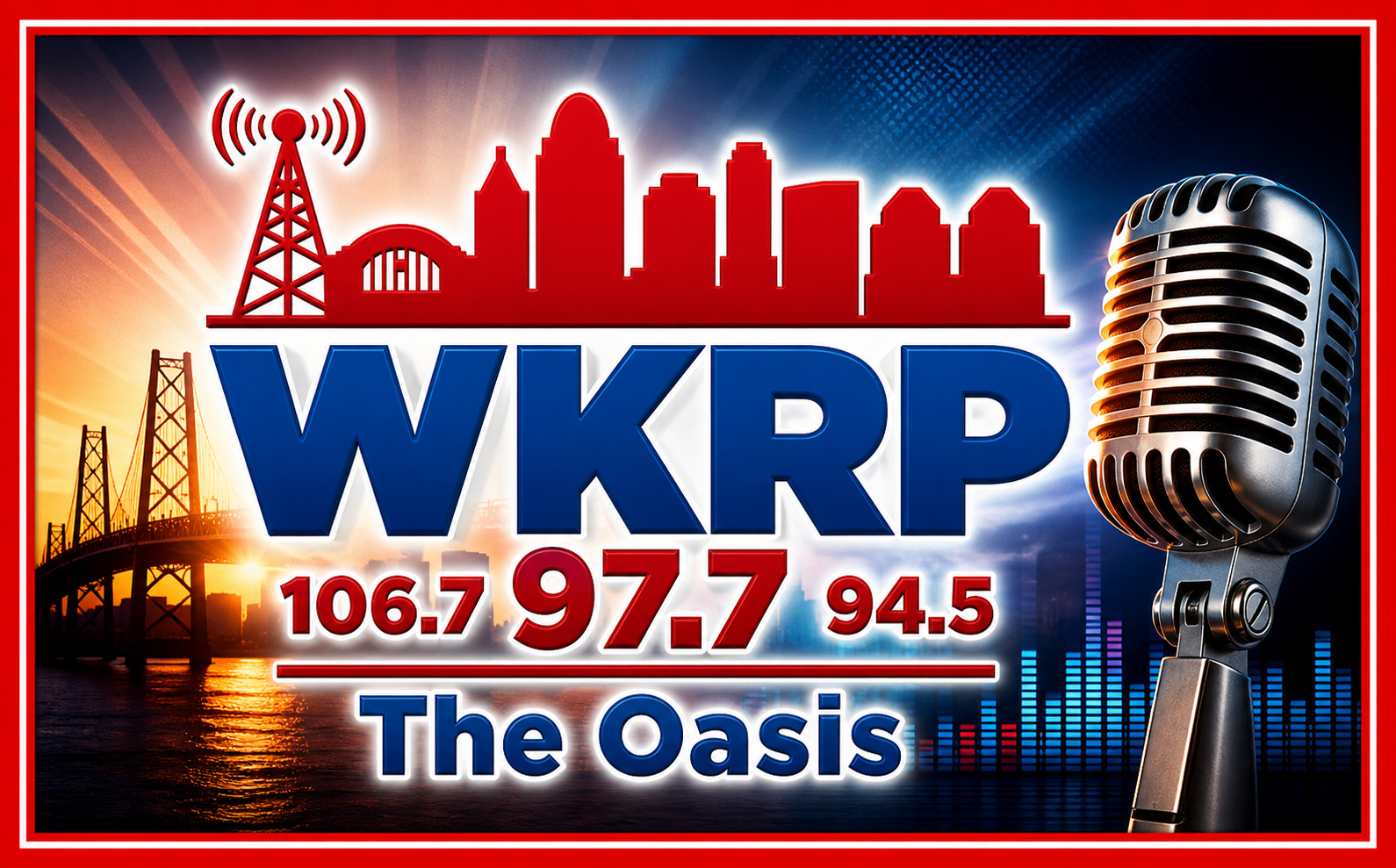
It’s no longer chatter, filings, or domain breadcrumbs. It’s real. WKRP is back on the air in Cincinnati, and it’s bringing with it one of the most recognizable identities in the history of radio—this time with a modern twist and a whole lot of personality.
Recent developments confirm that the WKRP brand has officially launched on the former “Oasis” signals, marking a full-circle moment for a set of call letters that were once fictional, then nostalgic, and now very much alive again. Reports indicate the rebrand went live with a familiar wink to its roots, even featuring the voice of Gary Sandy—who played Andy Travis on the original television series—welcoming listeners back into the fold.
To understand why this matters, you’ve got to go back to 1978, when WKRP in Cincinnati debuted and quickly became more than just a sitcom. It was radio culture on display—chaotic, creative, unpredictable, and deeply human. The show captured the spirit of a struggling station trying to reinvent itself, complete with big personalities, bigger risks, and moments that have lived on for decades. From format flips to on-air stunts gone sideways, WKRP wasn’t just entertainment—it was a mirror of what radio felt like behind the scenes.
Fast forward to now, and the irony is almost too perfect. The “fake” radio station has become real again in the very city it was built around, and it’s landing in a time where radio itself is once again being asked to reinvent, reimagine, and reconnect.
The effort is tied to Randy Michaels and his Radioactive LLC, alongside partners in the region, bringing the WKRP identity onto the FM band for the first time in Cincinnati. The move follows a series of FCC filings, brand positioning steps, and behind-the-scenes alignment that On The Dial has been tracking since early April.
And here’s where it gets fun. If you know Randy Michaels like we do, this isn’t going to be some safe, buttoned-up rebrand. This is going to have edge. It’s going to have personality. And yes—it’s probably going to have a little bit of that same unpredictable energy that made the original WKRP so memorable in the first place.
Because at its core, WKRP was never just about call letters. It was about attitude. It was about taking chances. It was about creating moments that people talked about long after the song ended or the mic went cold.
Now, that spirit has a real frequency again.
The big question isn’t whether WKRP works—it’s what it becomes. In a crowded, hyper-competitive audio world, bringing back a legacy brand like this isn’t just a nostalgia play. It’s a statement.
Cincinnati just got one of radio’s most iconic names back. And if this thing leans even halfway into what made WKRP legendary the first time around, this could be one of the most entertaining plays the industry has seen in a long time.
On The Dial covers breaking radio industry news, including layoffs, programming changes, talent moves, and broadcast trends across the United States.