

ON THE DIAL | BROADCASTING NEWS & ANALYSIS
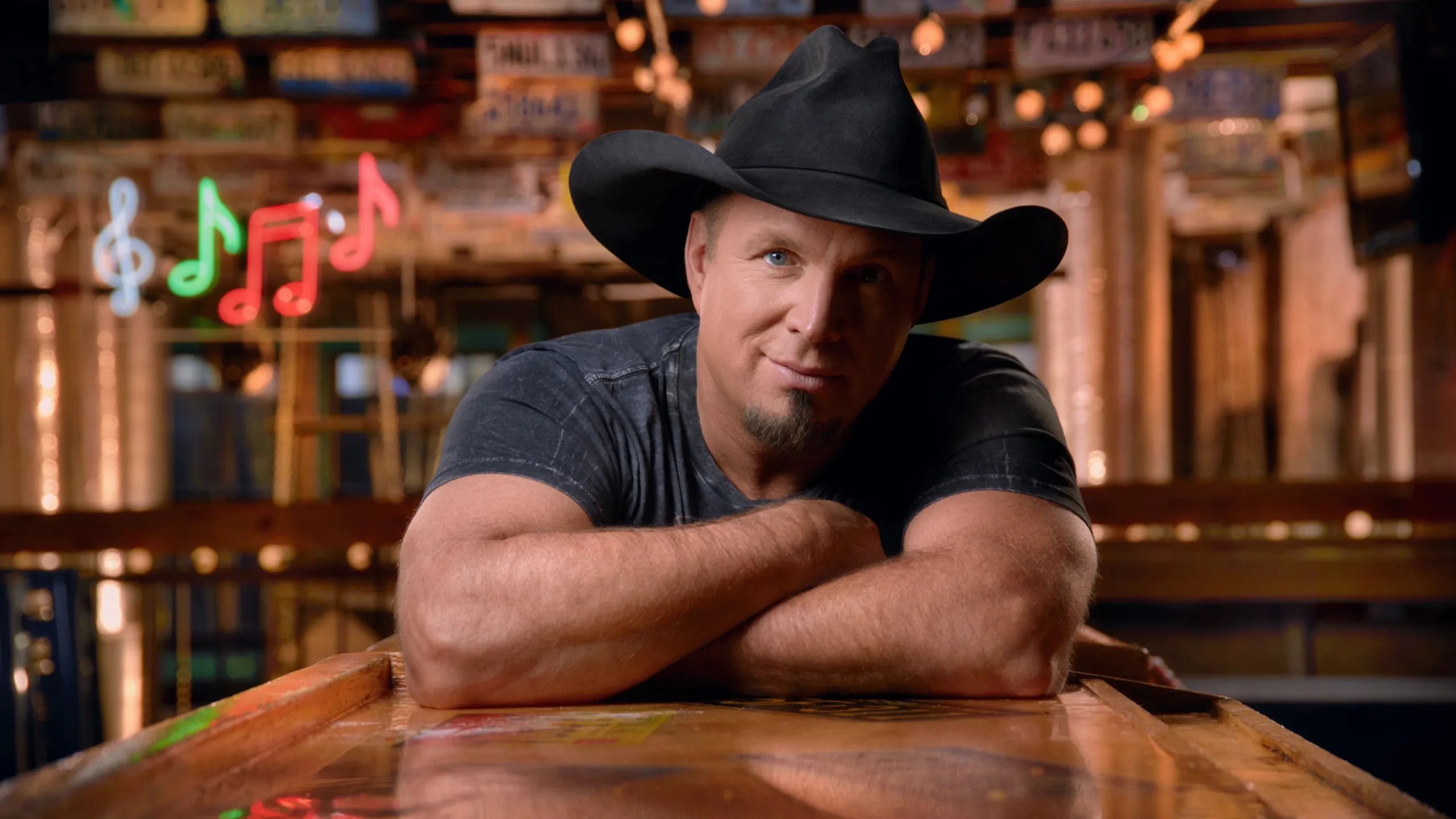
Nashville has never suffered from a shortage of country music, legendary performers or people with big ideas about the entertainment business. But when Garth Brooks decides he wants to own a radio station in the city that helped build his extraordinary career, the industry has every reason to pay attention. The country superstar is entering the terrestrial broadcasting business through a $3 million agreement to purchase WRLT, the longtime Adult Album Alternative station known as Lightning 100, and his plans suggest something considerably more ambitious than simply putting another country format on the FM dial.
Through Sevens Network LLC, Brooks will acquire the Franklin-licensed station from Tuned-In Broadcasting and transform it into The New FM 100, a Country outlet designed to showcase established stars, legendary performers and emerging artists while providing information and community connections throughout Music City.
But the most fascinating part of the announcement isn’t necessarily the format.
It’s what Brooks believes a radio station should become.
And for an industry that has spent years debating its future, that deserves a serious conversation.
The End of Lightning 100 as Nashville Knows It
Before discussing Brooks’ vision, there’s another story that shouldn’t get lost in the excitement.
Lightning 100 has been an important part of Nashville’s musical identity, offering an alternative to the mainstream Country programming that dominates much of the city’s commercial radio landscape.
Its Adult Album Alternative format has provided exposure for independent artists, singer-songwriters and musicians who don’t always fit neatly into traditional radio categories.
That matters in a city where musical creativity extends well beyond the boundaries of any single format.
The station has also developed a recognizable presence through its support of local music and community events.
So while the arrival of Garth Brooks represents an extraordinary development, the planned departure of Lightning 100’s established format represents a significant change for its listeners and the artists who have depended on that exposure.
And there’s a legitimate question worth asking.
What happens to Nashville’s independent music community when one of its most recognizable commercial radio platforms changes direction?
Brooks’ plans may create new opportunities for Country performers, but Lightning 100’s existing audience has a history with this station that deserves acknowledgment.
A new chapter doesn’t erase the importance of the previous one.
Garth Brooks Has a Different Idea About Country Radio
Brooks isn’t describing his new station as another outlet built around a narrowly defined Country playlist.
Instead, he envisions a destination that embraces multiple generations of the genre.
The legends who established Country music’s foundations.
The performers who transformed the format into a commercial powerhouse.
Today’s established stars.
And the developing artists who may become tomorrow’s headliners.
That’s a potentially compelling proposition.
Country radio has long struggled with the balance between familiar hits and new music.
Programmers understand the importance of consistency, audience research and competitive positioning.
But artists and listeners sometimes question whether the industry’s programming practices leave enough room for musical discovery and the performers who helped establish the format.
Brooks appears interested in approaching that conversation differently.
His stated vision includes connecting terrestrial broadcasting with digital radio while using the station to support Nashville’s music community and local businesses.
He has also emphasized that he doesn’t intend to build the operation around attacking or displacing other local broadcasters.
Instead, his stated goal is to help promote the broader Music City community.
That’s an interesting philosophy.
And if executed effectively, it could give The New FM 100 an identity that extends beyond its music rotation.
Here’s Where the Radio Industry Should Really Pay Attention
Garth Brooks isn’t entering broadcasting because he needs another platform to establish his name.
He’s already one of the most recognizable entertainers in Country music history.
He has sold enormous numbers of records, performed before massive audiences and developed business ventures that extend well beyond traditional recording and touring.
His decision to invest in an FM radio property raises a particularly interesting question.
What does Garth Brooks see in terrestrial radio that some people inside the broadcasting industry seem to have forgotten?
For years, broadcasters have heard predictions about radio’s declining relevance.
Streaming services have expanded.
Podcasts have multiplied.
Digital platforms have changed the way audiences discover music and consume information.
And radio companies have faced substantial financial and operational pressures.
Yet Brooks is preparing to spend millions of dollars acquiring a traditional FM station.
Not merely launching another internet stream.
Not simply creating a podcast.
An actual radio station.
With call letters.
A transmitter.
A local audience.
And a recognizable position on the dial.
That doesn’t mean Brooks has discovered a guaranteed formula for success.
But it does suggest he believes a locally focused broadcast platform can still have meaningful value when paired with a broader digital strategy.
That’s worth examining.
Could This Become Country Radio’s Most Interesting Experiment?
Imagine a Country station that treats its musical heritage as an asset rather than a programming inconvenience.
One that can celebrate George Strait, Reba McEntire and Alan Jackson while introducing listeners to performers who haven’t yet become household names.
One that embraces Nashville’s extraordinary songwriting community.
One that gives established artists an opportunity to discuss the music and people who influenced them.
And one that treats the city’s entertainment ecosystem as something to support rather than merely report on.
Those possibilities could help differentiate The New FM 100 from more conventional Country operations.
Of course, the difficult part will be execution.
A station cannot simply promise to play everything and expect every audience segment to remain satisfied.
Music scheduling still matters.
Audience expectations still matter.
Competitive positioning still matters.
And the financial realities of operating a commercial radio station don’t disappear because the owner happens to be Garth Brooks.
But an artist with Brooks’ industry relationships and public recognition may have opportunities to develop programming and partnerships that aren’t readily available to every broadcaster.
That could make the station particularly interesting to watch.
What Happens When the Artist Becomes the Station Owner?
There’s another dimension to this acquisition.
Country artists have spent decades depending on radio to introduce their music to audiences.
Now, one of the format’s biggest stars is preparing to participate directly in the ownership side of the business.
That changes the perspective.
Brooks understands what radio exposure can mean to an artist’s career.
He also understands the relationship between music, audiences, concerts and the broader entertainment business.
But station ownership introduces a different set of responsibilities.
Programming decisions must serve listeners.
Business relationships must be managed appropriately.
The station must establish editorial credibility if it intends to provide local and breaking news.
And artists who aren’t personally connected to Brooks should have confidence that programming opportunities will be evaluated fairly.
Those are important considerations.
The New FM 100’s credibility will depend not simply on its famous ownership but on how consistently it delivers on its promises.
And that’s where this experiment becomes especially compelling.
Nashville’s Country Stations Have a New Neighbor
Nashville already has established Country radio brands and experienced operators serving the market.
Brooks’ entry introduces another player with a distinctive ownership profile and potentially different programming priorities.
His stated desire to promote other local outlets rather than compete directly with them is an unusual message in commercial broadcasting.
But the realities of the advertising marketplace and audience measurement will still exist.
Radio stations compete for attention.
They compete for advertising.
And they compete to establish meaningful relationships with listeners.
Even a station built around community promotion will need a sustainable business model.
The question is whether Brooks can develop an operation that complements the existing Country radio landscape while establishing its own distinctive audience.
If he succeeds, other broadcasters may take a closer look at how artist relationships, local service and digital distribution can work together.
If he struggles, the industry will be reminded that even an extraordinarily successful entertainer faces challenges when operating a commercial radio property.
Either way, the experiment should provide plenty to discuss.
The Bigger Picture
There’s something fitting about Garth Brooks entering the radio business in Nashville.
Radio helped introduce his music to generations of listeners.
Country programmers helped build the audience that made him a superstar.
And now, decades later, he’s preparing to invest in the medium that played such an important role in his career.
But the announcement also arrives at a time when broadcasters are searching for new approaches to audience development, digital growth and community engagement.
Perhaps the most important part of this story isn’t that a Country superstar is purchasing a radio station.
Perhaps it’s that he wants to use that station to connect music, local information, businesses and audiences in a way that feels relevant to Nashville’s future.
That’s an ambitious goal.
And one that will require more than a famous name and an impressive music library.
For Lightning 100 listeners, the change will undoubtedly bring mixed emotions.
For Country music fans, it may introduce a distinctive new destination.
For Nashville’s musicians, it could create opportunities worth watching.
And for the broadcasting industry, it presents an intriguing test of what happens when one of Country music’s most influential entertainers decides to become a radio owner.
Garth Brooks has spent much of his career filling stadiums. Now he’s preparing to fill an FM frequency with his vision of Music City.
The industry will be listening.
And this time, Garth isn’t just the artist hoping radio plays his next record.
He’s the guy deciding what the radio station plays next.
On The Dial covers breaking radio industry news, programming changes, ownership transactions, talent moves and the evolving future of American broadcasting.
Hashtags
#OnTheDial #GarthBrooks #NashvilleRadio #Lightning100 #WRLT #TheNewFM100 #CountryRadio #MusicCity #RadioIndustry #Broadcasting #RadioOwnership #CountryMusic