


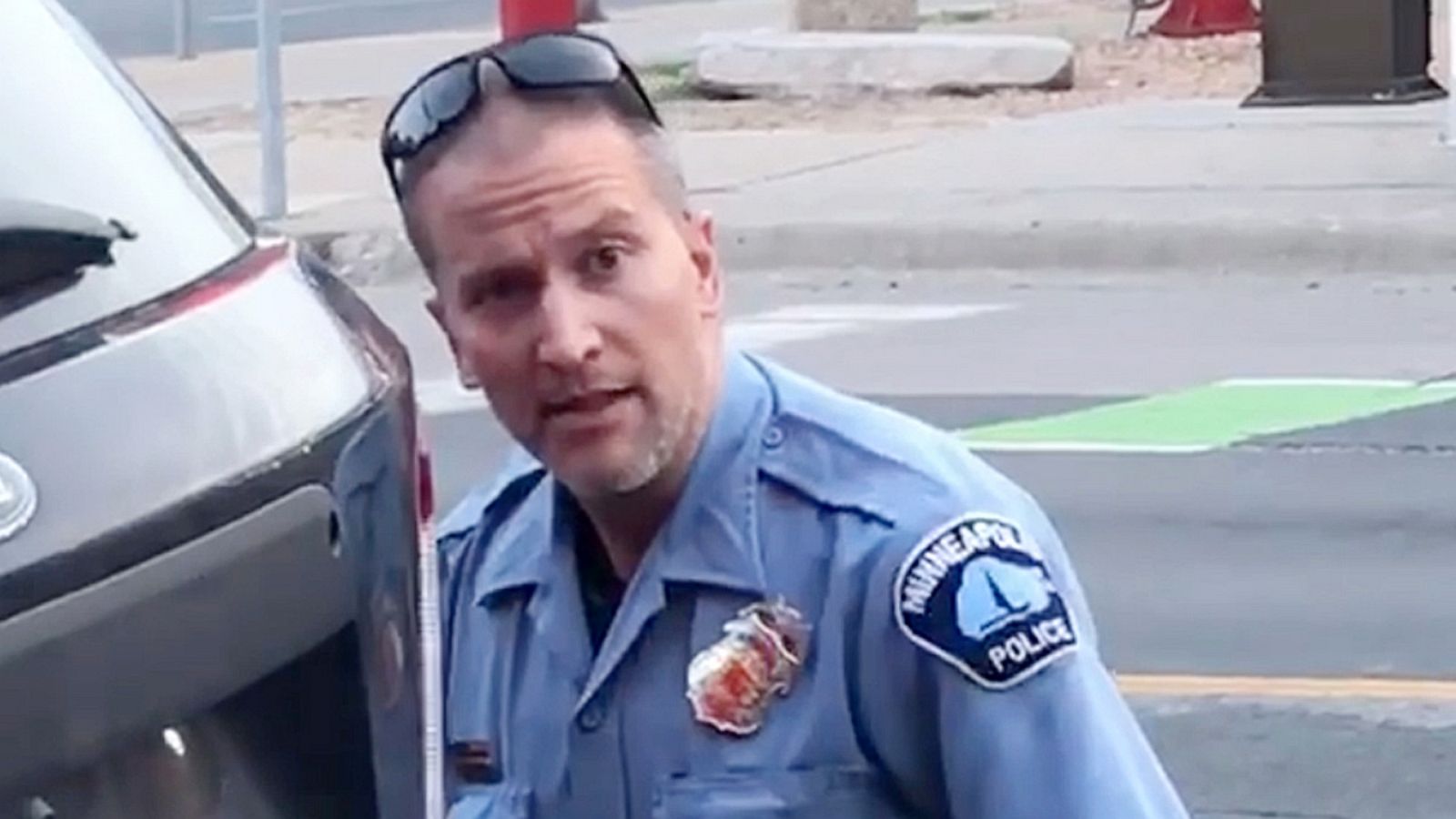
The Minnesota Republican Party is facing intense criticism after delegates at its recent state convention observed a brief moment of silence for former Minneapolis police officer Derek Chauvin, the man convicted in the death of George Floyd. The observance came just days after the sixth anniversary of Floyd’s death, reigniting debate surrounding one of the most consequential events in modern American history.
But beyond the politics and headlines lies a story that has a direct connection to radio and broadcasting.
When George Floyd died on May 25, 2020, radio stations across America found themselves covering a story unlike any other. News stations shifted into wall-to-wall coverage. Talk radio opened phone lines that lit up for weeks. Morning shows, music stations and personalities who rarely ventured into politics suddenly found themselves discussing race, policing, justice and community healing. In market after market, listeners turned to local broadcasters not only for information but for understanding.
For radio, Floyd’s death became one of those rare moments that transcended format boundaries. It didn’t matter whether a station played country, hip-hop, rock, news or sports. The story reached every corner of the industry because it reached every corner of America.
Many broadcasters still point to the summer of 2020 as a turning point. Newsrooms expanded conversations around diversity and representation. Talent became more vocal about issues affecting their communities. Ownership groups revisited hiring practices and public service initiatives. Stations hosted town halls, community discussions and special programming aimed at helping listeners process what was unfolding around them.
Now, six years later, a ten-second moment of silence at a political convention has once again generated national headlines and renewed discussion surrounding Floyd’s legacy. Whether viewed as a political statement, a symbolic gesture or something else entirely, the reaction demonstrates just how deeply the events of 2020 remain embedded in the national conversation.
And that brings us back to radio.
Broadcasting has always been at its best when reflecting the communities it serves. The conversations sparked by George Floyd’s death changed how many stations approached public affairs, community engagement and even the role personalities play in discussing difficult issues. Those changes didn’t disappear when the protests ended. In many cases, they became part of the fabric of modern broadcasting.
Six years later, the story continues to evolve. The headlines may be different, but the underlying conversations remain very much alive. As radio continues to serve as America’s town square, stories like this remind us that some moments don’t simply pass into history. They continue to shape the conversations happening on microphones, in studios and across communities every single day.
Few events have altered the national conversation—and the conversations heard on America’s airwaves—quite like the death of George Floyd. Six years later, the debate continues, and radio remains one of the places where those conversations are still being heard.
On The Dial covers breaking radio industry news, including layoffs, programming changes, talent moves, and broadcast trends across the United States.